Admin
Admin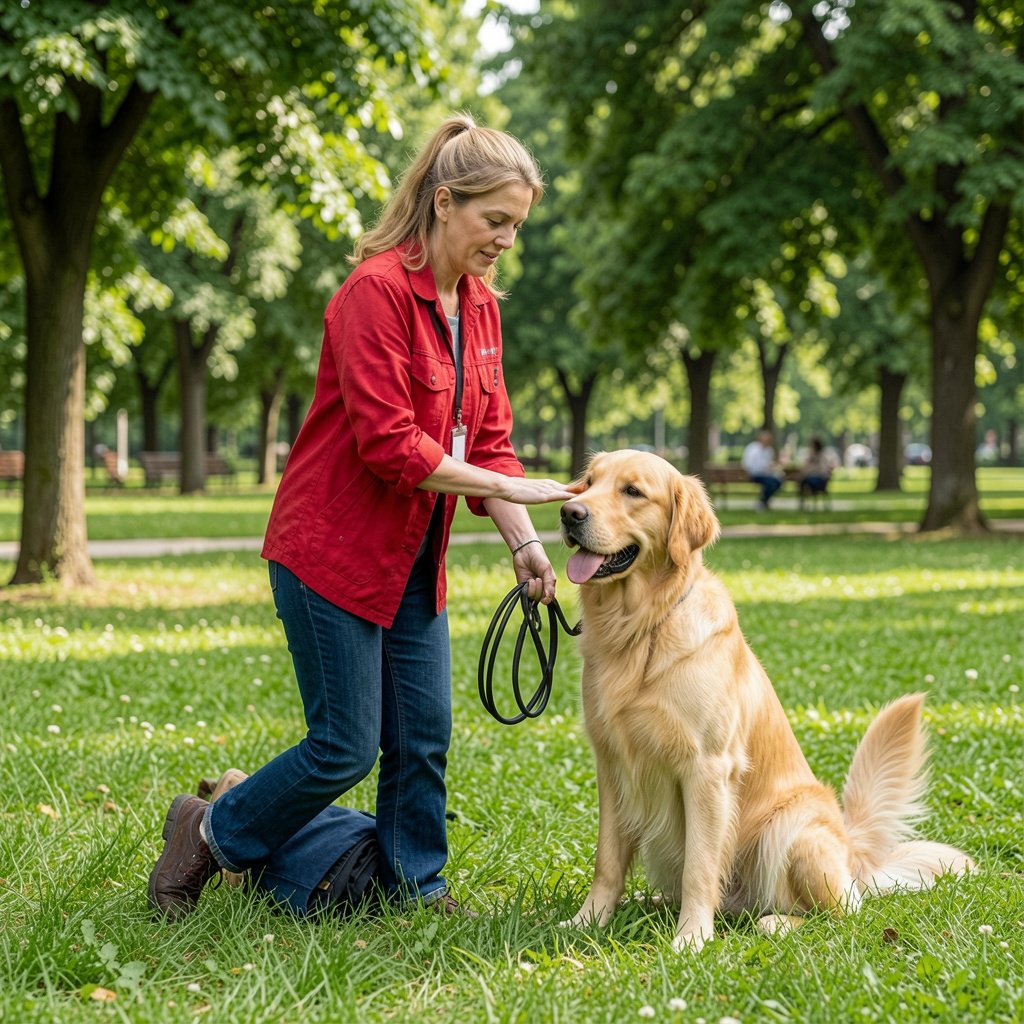
Living with a dog should be rewarding, but behavioral challenges can sometimes make everyday routines stressful. Excessive barking, leash pulling, jumping on guests, anxiety, reactivity, or poor recall often develop because dogs are confused about expectations rather than being stubborn or disobedient. Rob’s Dog Training provides structured guidance through canine behavior improvement services that help dogs learn appropriate behaviors while strengthening communication between dogs and their owners.
Modern dog training focuses on teaching desirable behaviors through consistency, patience, and positive reinforcement. Rather than relying on punishment, experienced trainers identify why a behavior occurs and create practical strategies that help dogs succeed in real-world situations. This approach builds confidence, encourages lasting learning, and supports healthier relationships between dogs and the families who care for them.
Why Behavior Matters More Than Simple Obedience
Teaching a dog to sit or stay is valuable, but true behavior improvement extends beyond basic commands. Dogs encounter new people, unfamiliar environments, distractions, and unexpected situations every day. Their ability to remain calm and make appropriate choices determines how enjoyable life becomes for everyone involved.
Behavior improvement addresses the emotional and environmental factors influencing a dog’s actions. Instead of simply stopping unwanted behaviors, effective training teaches replacement behaviors that are easier for dogs to repeat consistently.
Long-term success often includes:
- Better communication between owner and dog
- Increased confidence in unfamiliar situations
- Reduced stress during daily routines
- Safer interactions with people and other animals
- Improved reliability despite distractions
When these foundations are established, obedience naturally becomes more dependable because dogs understand what is expected.
How Canine Behavior Improvement Services Address Common Challenges
Every dog has unique experiences, genetics, personality traits, and learning styles. Successful training begins by understanding the underlying reason behind each behavior rather than focusing only on the visible problem.
Common issues addressed include:
Excessive Barking
Dogs bark for many reasons, including excitement, fear, boredom, territorial behavior, or frustration. Identifying the motivation allows trainers to teach alternative responses while managing environmental triggers.
Leash Pulling
Walking should be enjoyable rather than physically exhausting. Loose-leash training emphasizes attention, impulse control, and rewarding calm walking instead of constantly correcting pulling behavior.
Jumping on Visitors
Many dogs jump simply because greeting people is exciting. Teaching polite greetings allows dogs to earn attention through calm behavior instead of unwanted excitement.
Separation Anxiety
Some dogs experience distress when left alone. Structured training gradually builds independence while helping owners establish predictable routines that reduce anxiety.
Reactivity Toward Dogs or People
Reactive behavior often stems from fear, frustration, or overstimulation rather than aggression. Careful desensitization and counterconditioning can improve emotional responses over time.
Poor Recall
Reliable recall requires more than repeating a dog’s name. Trainers create positive reinforcement systems that encourage dogs to return willingly even when distractions are present.
Why Positive Reinforcement Produces Better Results
Research in animal learning consistently supports reward-based training as an effective and humane method for teaching new behaviors. Positive reinforcement encourages dogs to repeat behaviors that lead to desirable outcomes.
Rewards may include:
- Food treats
- Toys
- Verbal praise
- Playtime
- Affection
- Environmental rewards
When dogs associate learning with positive experiences, they become more engaged, motivated, and willing to participate in training sessions.
Rather than focusing on mistakes, reward-based methods concentrate on reinforcing success. This reduces confusion while encouraging dogs to think, problem-solve, and make better decisions independently.
Understanding the Root Cause of Behavior
Surface behaviors rarely tell the whole story. Two dogs displaying similar behaviors may have completely different underlying motivations.
For example:
- A barking dog may be frightened.
- Another barking dog may simply want attention.
- One dog pulling on leash may be excited.
- Another may be anxious about unfamiliar surroundings.
Professional assessment helps identify these differences so training plans address the actual cause rather than the visible symptom.
Factors commonly evaluated include:
- Daily routine
- Exercise levels
- Mental enrichment
- Health considerations
- Environmental triggers
- Previous learning experiences
- Family consistency
Understanding these influences creates more accurate training plans and more predictable results.
The Importance of Owner Education
Successful behavior improvement depends just as much on owners as it does on dogs. Dogs spend only limited time with professional trainers, while owners shape behavior every day through routine interactions.
Learning how dogs communicate helps owners:
- Recognize early signs of stress
- Reward appropriate behaviors consistently
- Avoid accidentally reinforcing unwanted behaviors
- Build trust through predictable interactions
- Respond calmly during challenging situations
Owner education creates consistency across all environments, making progress easier to maintain.
Building Confidence Instead of Compliance
Confident dogs generally adapt more successfully to new experiences than fearful or uncertain dogs. Confidence develops gradually through positive exposure, clear communication, and successful learning opportunities.
Confidence-building activities may include:
- Controlled introductions to new environments
- Problem-solving exercises
- Enrichment games
- Basic obedience practice
- Socialization experiences
- Confidence obstacles
- Calm exposure to distractions
As confidence grows, many unwanted behaviors naturally decrease because dogs feel more secure navigating unfamiliar situations.
Mental Stimulation Supports Better Behavior
Physical exercise alone rarely solves behavioral problems. Dogs also require mental challenges that engage their natural instincts and encourage thoughtful decision-making.
Mental enrichment can include:
- Food puzzles
- Scent work
- Training games
- Interactive toys
- Hide-and-seek
- Trick training
- Problem-solving activities
Mental exercise often reduces boredom-related behaviors such as destructive chewing, excessive barking, digging, and hyperactivity.
Consistency Creates Lasting Change
Behavior change rarely happens overnight. Dogs learn through repetition, predictable routines, and consistent reinforcement.
Owners can improve success by:
- Using the same cues consistently.
- Rewarding desired behavior immediately.
- Practicing in multiple environments.
- Keeping training sessions short.
- Remaining patient during setbacks.
- Gradually increasing distractions.
- Celebrating small improvements.
Small daily training sessions often produce better long-term outcomes than occasional lengthy sessions.
Preventing Future Behavior Problems
Many behavioral issues can be minimized through early education and proactive management.
Helpful prevention strategies include:
Early Socialization
Safe, positive exposure to different people, sounds, environments, and experiences helps puppies become adaptable adults.
Routine Training
Regular practice reinforces expected behaviors before unwanted habits develop.
Predictable Schedules
Dogs generally feel more secure with consistent feeding, exercise, and rest routines.
Appropriate Exercise
Exercise should match a dog’s breed, age, health, and energy level rather than relying on excessive physical activity alone.
Mental Enrichment
Providing daily opportunities for learning keeps dogs engaged while reducing boredom-related behaviors.
When Professional Guidance Makes a Difference
Many owners successfully teach basic manners at home. However, persistent behavioral challenges often benefit from experienced guidance.
Professional assistance may be appropriate when:
- Behaviors continue despite consistent effort.
- Safety concerns develop.
- Anxiety interferes with daily life.
- Reactivity limits enjoyable activities.
- Owners feel uncertain about training methods.
- Multiple unwanted behaviors occur together.
Early intervention often prevents small problems from becoming long-term habits.
Realistic Expectations Lead to Better Outcomes
Behavior improvement is a process rather than a quick fix. Every dog progresses at a different pace depending on age, genetics, previous experiences, environment, and consistency.
Successful training focuses on steady improvement instead of perfection.
Owners should expect:
- Gradual progress
- Occasional setbacks
- Continuous learning
- Ongoing reinforcement
- Improved communication over time
Maintaining realistic expectations encourages patience while supporting lasting behavioral change.
Supporting Behavior Beyond Training Sessions
The most successful dogs continue practicing appropriate behaviors long after formal instruction ends.
Daily opportunities include:
- Calm greetings at the front door
- Waiting politely before meals
- Loose-leash walking during neighborhood walks
- Practicing recall in secure areas
- Settling quietly during family activities
- Responding to cues around distractions
These everyday moments strengthen learned behaviors and integrate training naturally into daily life.
The Long-Term Benefits of Behavior Improvement
Behavior training affects far more than obedience. Dogs that understand expectations often experience lower stress, improved confidence, and greater freedom to participate in family activities.
Families frequently notice improvements such as:
- More enjoyable walks
- Better social interactions
- Easier veterinary visits
- Safer travel experiences
- Increased confidence during outings
- Reduced household stress
- Stronger human-animal relationships
These benefits continue long after individual training goals have been achieved.
Final Thoughts
Investing in canine behavior improvement services creates lasting benefits for both dogs and their owners. Thoughtful, reward-based training addresses the underlying causes of behavior while building trust, confidence, and clear communication. With guidance from Rob’s Dog Training, dogs can learn practical skills that improve everyday life, strengthen family relationships, and encourage positive behavior that lasts well beyond formal training sessions.