Admin
AdminWoodworm infestation can be a major concern for homeowners, especially when wooden furniture, roof beams, floorboards, or structural timber begin showing signs of damage. Small holes in wood, powdery dust, and weakened timber often indicate hidden wood-boring larvae feeding inside the wood. Traditionally, chemical pesticides and wood preservatives have been the most common solution. However, many people today prefer safer, non-toxic alternatives.
Families with children, pet owners, allergy sufferers, and environmentally conscious homeowners often worry about chemical exposure, strong odors, and indoor air quality. As a result, interest in chemical-free woodworm treatment has grown significantly in recent years.
The good news is that it is possible to remove woodworms without relying on toxic chemicals. Modern heat-based methods, moisture control, freezing techniques, and preventive care can effectively eliminate infestations while reducing risks associated with pesticides.
Many homeowners exploring eco-friendly timber care through shashel.eu/ are increasingly interested in safe and non-toxic ways to protect wooden furniture and structural timber from woodworm damage.
In this guide, we will explore the best ways to remove woodworms without toxic chemicals and how to prevent future infestation naturally.
What Is Woodworm?
Before discussing treatment, it is important to understand what woodworm actually is.
Despite the name, woodworm is not a worm.
Woodworm refers to the larvae of wood-boring beetles that feed on timber from the inside.
Adult beetles lay eggs in cracks or exposed wood surfaces. Once the eggs hatch, larvae tunnel deep into timber and begin feeding.
Over time, internal tunnels weaken wood.
Eventually, adult beetles emerge through tiny holes.
Woodworm commonly affects:
- Wooden furniture
- Floorboards
- Roof beams
- Structural timber
- Antique furniture
- Wooden stairs
Because larvae remain hidden inside wood for years, treatment must reach beneath the surface.
Why Avoid Toxic Chemicals?
Many traditional woodworm treatments use insecticides.
Although effective, some homeowners prefer alternatives because of concerns about:
- Chemical residue
- Indoor air quality
- Strong smells
- Child safety
- Pet exposure
Chemical-free treatment often provides peace of mind for families.
Eco-conscious homeowners also prefer sustainable pest control methods.
Heat Treatment: One of the Best Chemical-Free Solutions
Heat treatment is one of the most effective ways to remove woodworms naturally.
How Heat Treatment Works
Wood is heated to temperatures woodworm cannot survive.
The heat destroys:
- Larvae
- Eggs
- Adult beetles
Because the heat penetrates inside timber, hidden pests are targeted.
Benefits of Heat Treatment
Advantages include:
- No toxic chemicals
- Deep penetration
- Safe for many wooden structures
Best For
Heat treatment works well for:
- Furniture
- Floorboards
- Structural wood
Professional treatment is usually recommended.
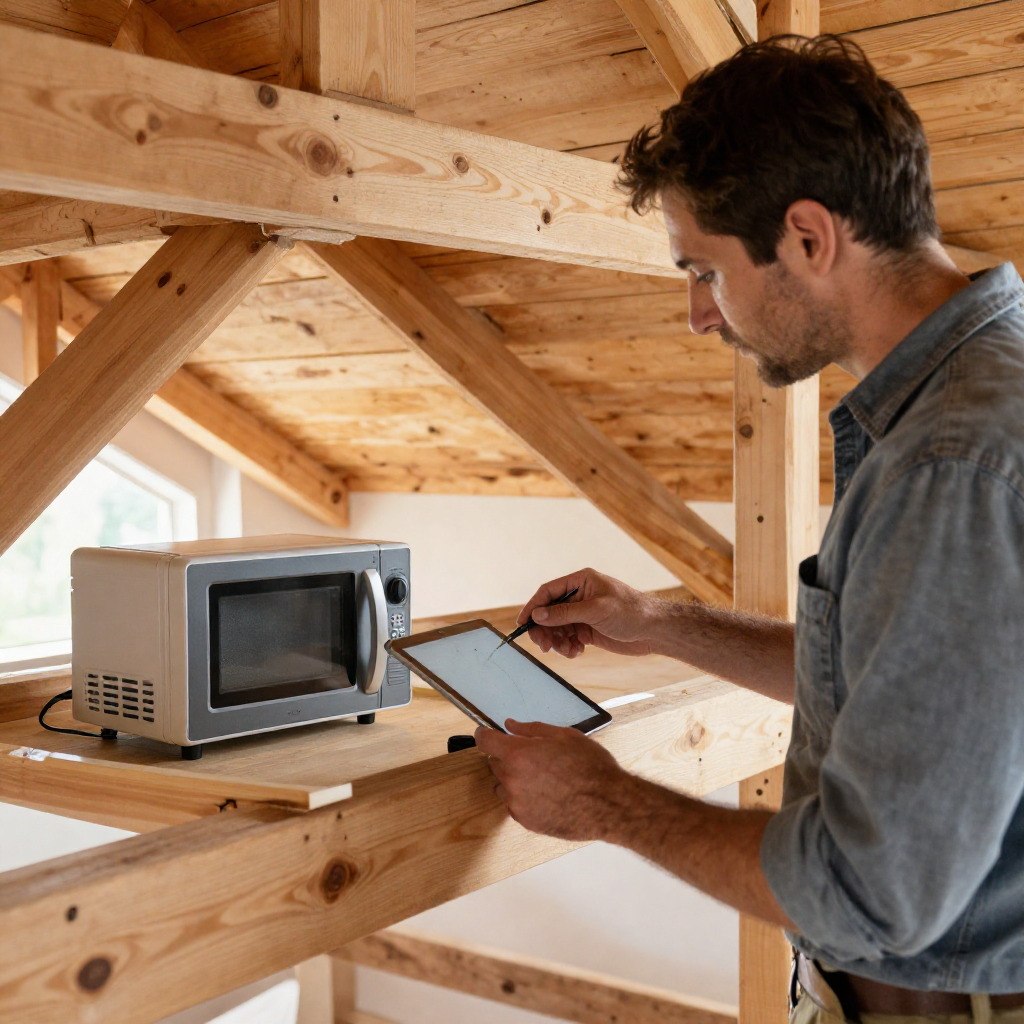
Microwave Woodworm Treatment
Microwave treatment is becoming increasingly popular for chemical-free woodworm removal.
How Microwave Treatment Works
Microwave energy heats moisture inside wood.
This raises internal temperatures and kills woodworm hidden deep inside timber.
Benefits
Microwave treatment offers:
- No chemicals
- Fast results
- Deep timber penetration
- Minimal disruption
Best Uses
Microwave treatment is ideal for:
- Roof beams
- Antique furniture
- Hidden infestation
- Structural timber
Many homeowners researching non-toxic timber care through shashel.eu prefer microwave treatment because it combines safety with strong results.
Freezing Small Wooden Objects
For smaller wooden items, freezing may be effective.
How Freezing Works
Very cold temperatures kill larvae naturally.
Best For
This method works well for:
- Small furniture pieces
- Wooden decorations
- Antique collectibles
How to Freeze Safely
Seal the item carefully and place it in freezing temperatures for several days.
Large furniture is usually unsuitable.
Sunlight and Heat Exposure
Natural heat may help in very mild cases.
Why It Helps
Woodworms dislike extreme heat and dryness.
Exposing furniture to warm, dry sunlight may reduce moisture.
Important Note
This method rarely eliminates serious infestation.
It works best for prevention or minor problems.
Direct sunlight should be used carefully to avoid wood cracking.
Reduce Moisture to Make Woodworm Uncomfortable
Woodworm prefers damp wood.
One of the most effective natural strategies is removing moisture sources.
Common Moisture Problems
Watch for:
- Roof leaks
- Pipe leaks
- Condensation
- Poor ventilation
Why This Matters
Dry wood becomes less attractive to beetles.
Moisture control reduces reinfestation risk.
Healthy timber discourages pests naturally.
Improve Ventilation
Good airflow helps reduce humidity.
Areas That Need Ventilation
Pay attention to:
- Attics
- Basements
- Crawl spaces
- Storage rooms
Better airflow helps:
- Dry timber faster
- Reduce dampness
- Lower infestation risk
Simple ventilation improvements can make a major difference.
Remove Severely Damaged Wood
Sometimes damaged wood becomes too weak to save.
When Removal Helps
Replacing wood may be necessary if:
- Timber crumbles easily
- Structural safety is affected
- Infestation becomes severe
Replacing badly damaged sections prevents spreading.
Natural Essential Oils: Limited Effectiveness
Some homeowners try natural oils.
Common options include:
- Neem oil
- Cedar oil
- Lavender oil
Do They Work?
Natural oils may help discourage insects temporarily.
However:
They usually do not eliminate hidden larvae
They should not replace stronger treatment for active infestation.
Clean Furniture Regularly
Cleaning helps reduce unnoticed problems.
Why Cleaning Matters
Regular cleaning makes it easier to spot:
- Tiny holes
- Fresh dust
- Cracks
Early detection improves success.
Dust buildup should never be ignored.
Inspect Wooden Furniture Frequently
Routine inspection helps catch problems early.
Where to Check
Inspect:
- Chair legs
- Drawer joints
- Table undersides
- Roof beams
Small warning signs deserve attention.
Prevention always works better than repair.
Prevent Future Woodworm Naturally
After treatment, prevention matters.
Keep Timber Dry
Dry wood discourages beetles.
Improve Ventilation
Good airflow reduces humidity.
Avoid Damp Storage
Do not store wood in wet conditions.
Inspect Second-Hand Furniture
Used furniture may already contain larvae.
Monitor Wooden Structures
Routine checks reduce future risk.
Prevention protects long-term timber health.
Common Mistakes Homeowners Make
Relying Only on Home Remedies
Most homemade solutions fail to kill hidden larvae.
Ignoring Moisture Problems
Damp timber encourages reinfestation.
Waiting Too Long
Delaying treatment often worsens damage.
Assuming Old Holes Mean No Problem
Fresh dust may indicate active infestation.
Early action matters.
When to Seek Professional Help
Professional help may be needed if:
- Structural timber is affected
- Infestation spreads
- DIY methods fail
- Wood weakens significantly
Experts often recommend microwave or heat treatment for chemical-free control.
Professional inspection improves accuracy.
Why Chemical-Free Treatment Is Growing
Homeowners increasingly prefer non-toxic methods because they offer:
- Better indoor air quality
- Safer environments for children
- Reduced pet exposure
- Eco-friendly pest control
Modern technology makes chemical-free treatment more practical than ever.
Conclusion
Removing woodworms without toxic chemicals is possible, and many homeowners now prefer safer, environmentally friendly alternatives. Heat treatment, microwave technology, moisture control, freezing, and preventive care all provide effective ways to eliminate woodworm while reducing chemical exposure.
Although natural oils and sunlight may offer limited help, serious infestations often require stronger non-toxic methods to fully eliminate hidden larvae and eggs.
Many homeowners researching sustainable timber care through shashel.eu are increasingly choosing chemical-free woodworm removal because it combines effectiveness, safety, and environmental responsibility.